
Designing Great Board Risk Presentations
Estimated Reading Time: 6 minutes
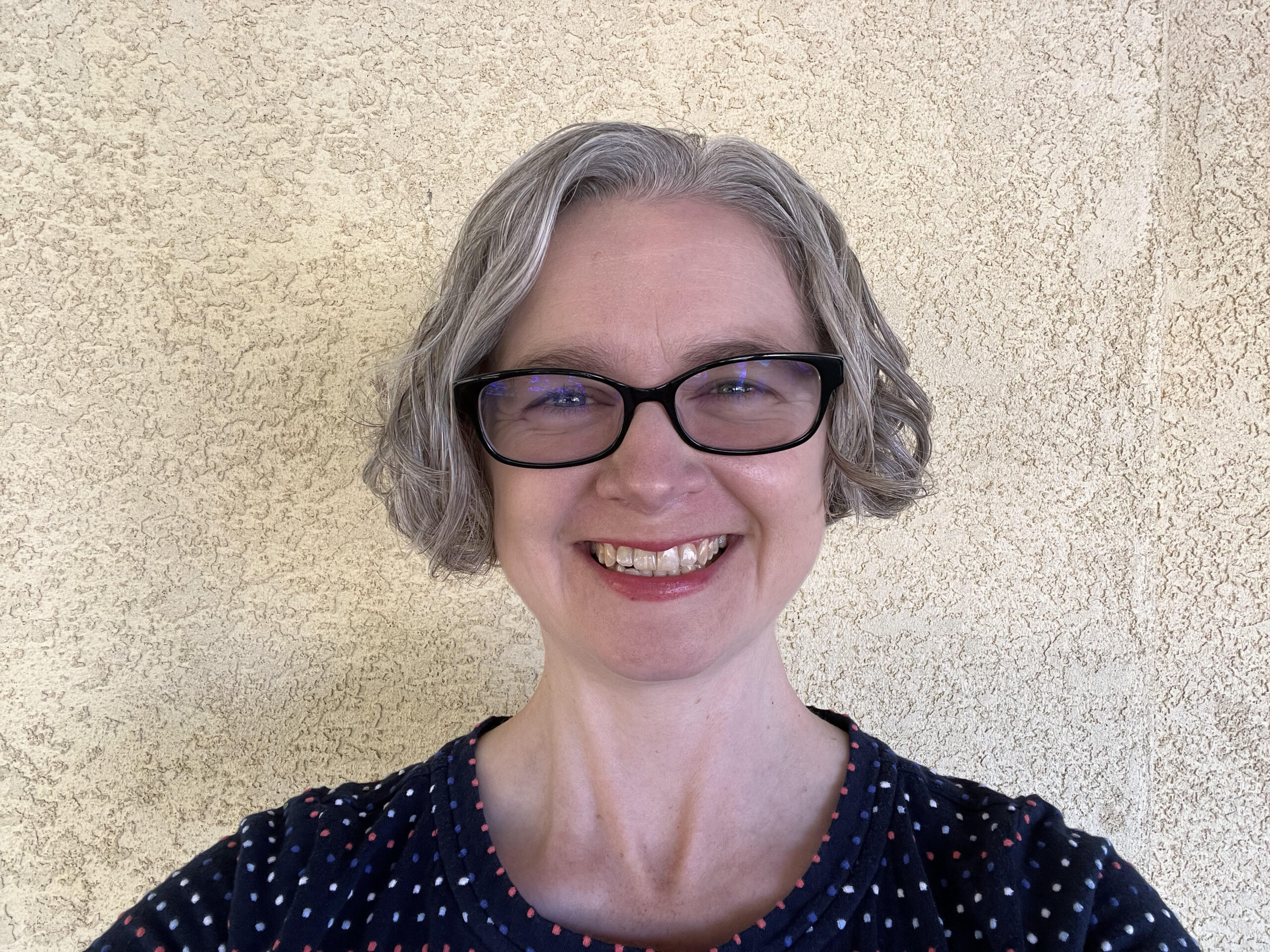
By Rachel Sams
Lead Consultant and Editor
Have you ever sat through a boring board presentation about risk management—complete with endless slides, spreadsheets, and metrics—and thought, “There has to be a better way?”
The good news: You’re right!
But we can’t tell you exactly how to do it.
We think that’s even better news! The beauty of risk management is that your nonprofit can and should customize anything and everything, including your board and committee risk presentations. While we can’t say exactly what will work for you, we can share some principles that will help you keep board risk presentations meaningful and manageable. That will give you more time to spend on the details of exactly what to include—or what we like to call “the fun stuff.”
Know Your Audience and What They Need
When it’s time to draft your briefing, ground yourself in an understanding of what the board’s risk management role is—and is not.
Nonprofit staff teams have primary responsibility for risk identification, action planning, and keeping the board apprised of the team’s approach and progress addressing top risks.
The board’s ideal role in risk management is to:
- ensure the organization has enough resources to manage risk well
- consider whether the organization is taking enough risk to achieve its mission, and
- bring board members’ diverse perspectives to the discussion about concerning developments and risks (possibilities) on the horizon.
NOTE: If you need an additional refresher on how to forge a great risk management partnership with your board, see our article on that in this issue.
Remember that board meetings tend to run on tight schedules. Also consider that while you may have some risk management experts on your board, most board members likely don’t have that expertise.
Do yourself and your board a favor and give yourself plenty of time to draft your board briefing. Start well before it’s due. This will allow you time to experiment with what to include and change course if you need to.
The Nitty-Gritty: Crafting Your Presentation
You’ve grounded yourself in who your audience is and reminded yourself of the board’s (or committee’s) risk role. Great job! But now…you still have to draft a PowerPoint, or some other presentation format. What the heck do you put in it? Here are some guidelines to help you make that decision.
Understand what your board seeks in a risk briefing. Have you ever asked board members what they most want to know about your risk management efforts? If not, now’s the time! Use their answers to shape your presentation.
Stick to the 30,000-foot view. Remember that your team members are the operational experts, while your board focuses on strategy. Give your board a high-level sense of major risks and how you’re building resilience. Don’t load your presentation with details and minutia.
Have your risk discussion with fresh minds. Schedule your risk conversation early in the meeting, before boredom and other commitments can sneak in.
Make it a conversation. Your instinct might be to create a lengthy presentation and speed through it to prompt a board conclusion that you have everything under control. But an honest discussion of your nonprofit’s challenges and opportunities will help your board better understand them.
Emphasize the visual aspects. Use graphics to illustrate key metrics of your presentation, but don’t overcrowd it. Focusing on three key pieces of information works well for a risk dashboard. Place the most important metric or data in the top left corner. Use no more than a handful of colors to tell your story, and if it’s not obvious why you chose each color, use a legend.
Don’t be overly optimistic. We understand that nonprofit leaders may not want their boards to know they have struggles. But every organization faces challenges. Speak openly with your board about your work to build resilience and learn more about what you don’t know.
Get on the same page. Does your board fear that your nonprofit is taking on too much risk in its activities? Let them know why your team feels it’s important to act boldly to serve your communities. Have a discussion about risk appetite – how much risk your nonprofit will take to achieve its mission.
Choose one topic to explore in depth. If you focus your risk briefing on one topic, you can demonstrate that your team is addressing a critical risk without getting too deep into operational details. This approach can help your board understand the “why” behind your approach.
Tell them who’s in charge. Make sure board members know what team or person takes the lead on assessing and managing risk at your nonprofit. This can address a frequent worry for nonprofit boards: the fear that the CEO has too much on their plate.
Leave space to learn more. Schedule time in board risk discussions for staff and board to engage in dialogue about new risks on the horizon. Board members can share unique perspective on what they are seeing or hearing in their industries about those risk topics.
Follow up. Wrap up by reflecting back any requests from the board on additional pieces of data or approaches to risk. For example: “We heard today that you’d like us to narrow the risk dashboard to three risks from five, and that you’d like to hear how we’re addressing fundraising risk.”
In the Moment: Navigating the Discussion
You have a draft of a presentation and a plan for how you’ll deliver it. Congratulations! You are a rock star! But you’re a nervous rock star…maybe the star of a Kiss cover band with your leather-clad knees knocking together. What happens when you’re on that stage (or in that Zoom room)? You (probably) won’t have to belt “Detroit Rock City,” but tough questions from board members—or worse, silence—might feel just as intimidating. Here are some prompts you can use to catalyze a great board risk discussion.
About the dashboard
- What is surprising about the dashboard?
- Is the content of the dashboard helpful?
- What more or less would you want to see in the Risk Dashboard to inform upcoming board decisions or discussions about strategy and direction?
- From your perspective, does our “top risks” profile feel accurate or on point?
About your organization’s risk taking
- Are we taking enough risk, and in the right areas, to advance the mission and achieve the core objectives of the organization?
- During the past 5 years, what bold risks has the board inspired? To what result?
- In what areas will bold risks be necessary in the next 1-5 years? 5-10 years?
- What emerging/changing risks should we monitor more closely in the future?
- How might our risk profile and ongoing risk management activities inform our strategy-level decisions?
Remember that listening, just like performing at a rock show, is really about “reading the room.” Listen to the words but also to the feel of the room. Where is the energy to move forward? Where are the areas of hesitation? Keep your priorities for the discussion in mind but be open to the possibilities and unexpected twists in the conversation.
Never Stop Learning
This process isn’t one and done. But as a risk manager, you knew that, right? We are always learning in all aspects of risk management, and that includes board briefings. When you’ve walked out of the boardroom or logged out of the Zoom room, take a deep breath. Was your board briefing lively and engaged? Reflect on what worked and what you’d like to replicate. If you struggled, or some elements didn’t go as planned, consider what you can improve for the future. Tomorrow. While you may not have autographs to sign, you are a risk management rock star, and it’s time to celebrate. Just try not to trash any hotel rooms in the process.
Rachel Sams is Lead Consultant and Editor at the Nonprofit Risk Management Center. She has attended board risk briefings that fell flat and ones with lively, engaged discussion, and wishes you many of the latter. Reach her with thoughts and questions about this article at rachel@nonprofitrisk.org or (505) 456-4045.
“One thing I love about the Risk Summit is the opportunity to connect and learn from other risk managers, nonprofit professionals, and NRMC staff. I have attended the Risk Summit multiple years and always look forward to connecting with returning attendees and meeting new people. The Risk Summit brings together a diverse and engaged set of professionals who are ready to learn, share, and connect.”
— Heather Chadwick
“I love the Risk Summit because I always learn something valuable, such as new approaches to the issues I’m grappling with. I always leave the Risk Summit with a notebook full of practical ideas. I also leave with an expanded network of professional acquaintances and a feeling it was the most useful conference I’ve been to in quite a while. I am in awe how such a topic as risk management can be artfully delivered.”
— Paul Doman
“One thing I love about the Risk Summit is the ability to see and feel the passion of nonprofit leaders as they learn and share together.”
— Michael Schraer
“One thing I love about the Risk Summit is connecting and learning from / with really great people.”
— Lisa Prinz
“First let me congratulate you on a conference well done. I had a great time at the Nonprofit Employee Benefits Conference and walked away with some valuable tools and questions that we’ll need to be addressing in both the short and long term. Thanks to you and your staff for all you do to provide us with quality resources in support of our missions.”
— Scott Brown, Mohonk Preserve
“BBYO’s engagement of NRMC to conduct a risk assessment was one of the most valuable processes undertaken over the past five years. Numerous programmatic and procedural changes were recommended and have since been implemented. Additionally, dozens (literally) of insurance coverage gaps were identified that would never have been without the work of NRMC. This assessment led to a broker bidding process that resulted in BBYO’s selection of a new broker that we have been extremely satisfied with. I unconditionally recommend the Center for their consultative services.
— Sidney Abrams, BBYO
“Melanie Herman has provided expert, insightful, timely and well resourced information to our Executive Team and Board of Directors. Our corporation recently experienced massive growth through merger and the Board has been working to better integrate their expanded set of roles and responsibilities. Melanie presented at our Annual Board of Director’s Retreat and captured the interest of our Board members. As a result of her excellent presentation the Board has engaged in focused review which is having immediate effects on governance.”
— Pamela Mattel, Basics Promesa Systems Inc
“The Nonprofit Risk Management Center has been an outstanding partner for us. They are attentive to our needs, and work hard to successfully meet our requests for information. Being an Affiliate member gave us access to so many time- and money-saving resources that it easily paid for itself! Nonprofit Risk Management Center is truly a valued partner of The Community Foundation of Elkhart County and we are continuously able to optimize staff time with the support given by their team.”
— Jodi Spataro, Community Foundation of Elkhart County
“The board and staff of the Prince George’s Child Resource Center are extremely pleased with the results of the risk assessment conducted by the Nonprofit Risk Management Center. A thorough scan revealed that while we are a well run organization, we had risks that we never imagined. We are grateful to know that we have now minimized our organizational risks and we recommend the Center to other nonprofits.”
— Marti Worshtil, Prince George’s Child Resource Center
Great American Insurance Group’s Specialty Human Services is committed to protecting those who improve your communities. The NRMC team has committed to delivering dynamic risk management solutions tailored to nonprofit organizations. These organizations have many and varied risk issues, hence the need for specialized coverage and expert knowledge for their protection. We’ve had Melanie speak on several occasions to employees and our agents. She is always on point and delivers such great value. Thank you for the terrific partnership and allowing our nonprofits to focus on their mission!